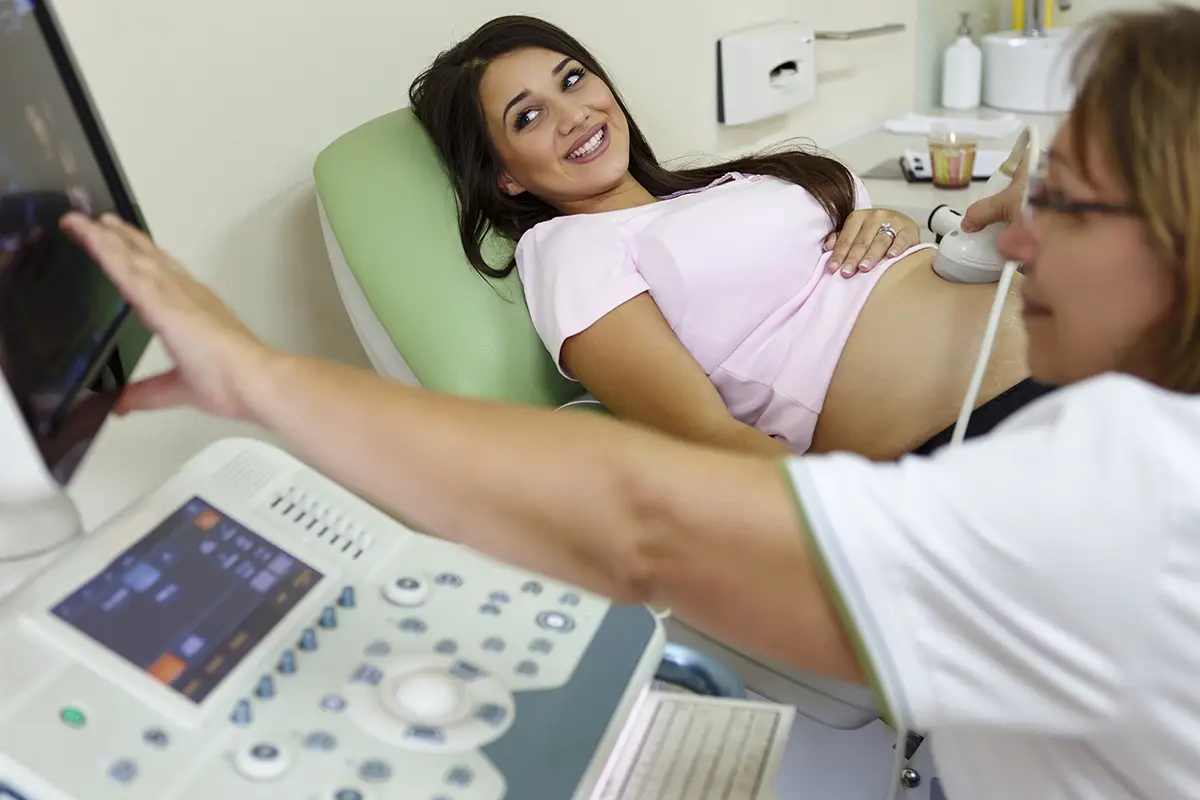
Introduction – Understanding Invasive Prenatal Diagnostic Tests

As a Fetal Medicine specialist with over a decade of experience in obstetrics and advanced prenatal imaging, I understand how important it is for expectant parents to receive accurate, compassionate, and clear information when navigating prenatal testing. At MOM Fetal Scans, our focus is to provide invasive prenatal diagnostic tests in OMR with the highest level of clinical safety, patient comfort, and diagnostic accuracy. These procedures—primarily Amniocentesis and Chorionic Villus Sampling (CVS)—help identify chromosomal or genetic conditions early in pregnancy, enabling families to make informed, confident decisions about their care.

Invasive testing can feel overwhelming, but when performed by a trained specialist, it becomes a structured, safe, and transparent process. My responsibility is to ensure that every mother understands why a test is recommended, what to expect, what results mean, and how these results support pregnancy care. At MOM Fetal Scans, every procedure follows stringent evidence-based protocols, and every patient receives personalised counselling before and after the test. With our advanced equipment, sterile environment, and specialist-led approach, we aim to offer the most reliable prenatal invasive testing center in OMR for families seeking clarity, reassurance, and expert guidance.

Amniocentesis – Diagnostic Accuracy in the Second Trimester

Amniocentesis is a prenatal diagnostic test usually performed after 16 weeks of pregnancy. The procedure involves collecting a small sample of amniotic fluid under continuous ultrasound guidance. This fluid contains fetal cells, which are analysed to identify chromosomal abnormalities, genetic disorders, neural tube defects, and selected fetal infections. Amniocentesis remains one of the most reliable diagnostic tools in fetal medicine.

At MOM Fetal Scans, amniocentesis is personally performed by me using advanced ultrasound techniques to ensure accuracy and safety. The procedure is brief and generally well tolerated. After the test, mothers are guided with clear after-care instructions and closely followed up. The results provide definitive answers that support informed decision-making and personalised pregnancy care.
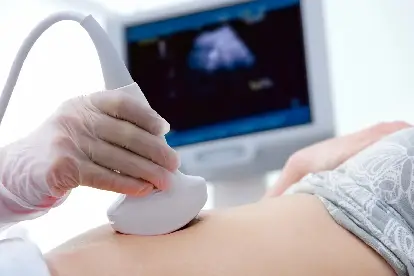

Amniocentesis – Key Benefits

  • Provides definitive chromosomal diagnosis
  • Detects genetic and inherited disorders
  • Helps assess neural tube defects
  • Guides advanced pregnancy planning
  • High diagnostic accuracy under expert care

How Amniocentesis Is Safely Performed

Amniocentesis is performed with the highest level of care and precision to ensure the safety of both the mother and the baby. At MOM Fetal Scans, the procedure begins with a detailed ultrasound examination to confirm gestational age, assess fetal position, identify placental location, and select the safest entry point. Strict sterile precautions are followed throughout. Under continuous real-time ultrasound guidance, a thin sterile needle is gently inserted through the abdominal wall into the amniotic sac, carefully avoiding the fetus and placenta. A small sample of amniotic fluid is then collected for diagnostic analysis, with constant monitoring to maintain accuracy and minimize risk.

The procedure itself usually takes only a few minutes, and most women experience minimal discomfort. Immediately after the sample is collected, the fetal heartbeat is checked to confirm fetal well-being. Mothers are then advised to rest and follow specific post-procedure guidelines to support recovery. At MOM Fetal Scans, every amniocentesis is personally performed and reviewed by a Fetal Medicine specialist, ensuring ethical decision-making, technical expertise, and compassionate counselling at every step. This careful, specialist-led approach allows expectant parents to receive reliable diagnostic information with confidence and reassurance.

Key Steps in the Amniocentesis Procedure

  • Performed after 16 weeks of pregnancy under continuous ultrasound guidance
  • Detailed scan done to identify the safest needle entry point
  • A thin sterile needle is used to collect a small amount of amniotic fluid
  • Real-time ultrasound monitoring ensures fetal safety throughout the procedure
  • Immediate assessment of fetal heartbeat after sample collection

Chorionic Villous Sampling (CVS) – Early First-Trimester Diagnosis

Chorionic Villous Sampling (CVS) is an early prenatal invasive diagnostic test performed between 11 weeks and 13 weeks + 6 days of pregnancy. It involves obtaining a small sample of placental tissue, which contains the same genetic material as the fetus. CVS allows for early detection of chromosomal abnormalities and inherited genetic conditions, offering answers at a much earlier stage of pregnancy.

At our CVS testing center in OMR, the procedure is performed under real-time ultrasound guidance with strict safety protocols. Detailed counselling is provided before the test to explain benefits, risks, and limitations. Early diagnosis through CVS helps reduce prolonged uncertainty and allows parents to make timely, informed decisions with medical guidance.

CVS – Key Advantages

  • Early first-trimester diagnosis
  • Accurate detection of genetic disorders
  • Useful for inherited conditions
  • Faster availability of results
  • Enables early pregnancy planning

Chorionic Villous Sampling (CVS) – How the Procedure Is Performed

Chorionic Villous Sampling (CVS) is an early prenatal invasive diagnostic test performed between 11 weeks and 13 weeks + 6 days of pregnancy. At MOM Fetal Scans, the procedure is personally performed by me as a Fetal Medicine specialist, following strict safety and ethical protocols. Before the procedure, a detailed ultrasound scan is done to confirm gestational age, locate the placenta, and determine the safest approach.

Depending on placental position, CVS is performed using either the transabdominal or transcervical method. Under continuous real-time ultrasound guidance, a thin needle (or catheter) is carefully guided to obtain a small sample of chorionic villi from the placenta. The procedure is precise, quick, and carried out with constant visualization to avoid contact with the fetus. Most patients experience only mild discomfort.

Once the sample is collected, the fetal heartbeat is immediately checked to ensure fetal well-being. Mothers are advised to rest after the procedure and follow specific post-test precautions. At MOM Fetal Scans, CVS is performed with a strong focus on accuracy, safety, and compassionate counselling, helping parents receive early, reliable diagnostic information with confidence and care

Key Steps in the CVS Procedure

  • Performed between 11–13+6 weeks under continuous ultrasound guidance
  • Placental location assessed to choose the safest approach (transabdominal or transcervical)
  • A small placental tissue sample is gently collected without disturbing the fetus
  • Real-time monitoring ensures precision and fetal safety throughout the procedure
  • Immediate post-procedure check of fetal heartbeat and maternal comfort

When Are Invasive Prenatal Tests Recommended?

As a Fetal Medicine specialist, I recommend invasive diagnostic tests only after a thorough evaluation of your screening results, scan findings, medical history, and associated risk factors. These procedures are not routine; they are offered when there is a strong clinical indication that detailed fetal genetic evaluation may benefit the pregnancy. Common reasons include high probability results from NT + first trimester screening, NIPT concerns, soft markers on ultrasound, or a known genetic condition in the family.

Timing also plays an essential role. Chorionic Villus Sampling is performed earlier—usually between 11 and 13+6 weeks—while Amniocentesis is typically performed after 16 weeks. Each procedure has specific advantages depending on the clinical context, and part of my responsibility is helping you choose the most appropriate test for your pregnancy.

Common Indications

  • High-risk results from first trimester screening
  • Abnormal findings in anomaly scan
  • Family history of genetic disorders
  • Previous child with chromosomal condition
  • Clarification of results after NIPT

Who Should Consider These Tests?

Women who receive a positive or high-risk result from preliminary screenings often benefit from the clarity that invasive diagnostic testing provides. These tests are also vital for couples with a known genetic mutation, those who previously had an affected pregnancy, or individuals with chromosomal translocation risks. As a consultant in Fetal Medicine, I ensure every recommendation is justified with evidence, personalised for the specific pregnancy, and communicated with empathy.

Expectant mothers who are anxious or uncertain after screening tests often feel a sense of reassurance after understanding what invasive tests can actually deliver. My goal is to help families feel informed rather than fearful, and supported rather than overwhelmed.

Ideal Candidates

  • High-risk maternal serum screening
  • Suspicious ultrasound markers
  • Carriers of genetic conditions
  • Couples requiring fetal karyotyping
  • Patients above 35 with additional risk factors

What to Expect Before, During & After the Test

Before the procedure, I ensure that every patient receives a thorough explanation of the purpose, steps, potential outcomes, and after-care. During CVS or Amniocentesis, the mother is continuously monitored and supported, ensuring comfort and safety throughout. The environment is strictly sterile, and every procedure is carried out according to internationally recommended protocols.

After the test, patients can return home the same day with simple rest instructions. Results typically take a few days to two weeks depending on the specific test. Once the report is available, I personally review it with the family, offering guidance, explanations, and next steps in a calm and supportive manner.

What to Expect

  • Clear pre-procedure counselling
  • Quick, ultrasound-guided procedure
  • Same-day discharge
  • Specialist interpretation of reports
  • Compassionate follow-up guidance

Why Choose MOM Fetal Scans for Invasive Testing?

As a qualified DNB Obstetrician & Fetal Medicine specialist trained at Mediscan under renowned experts, I bring extensive experience in invasive fetal procedures. Every test at MOM Fetal Scans is specialist-performed, never delegated, ensuring precision, safety, and consistency. The centre combines advanced ultrasound technology, sterile procedure protocols, and personalised counselling to provide accurate diagnosis in a calm and reassuring environment.

Our approach prioritises ethical practice, transparent communication, and personalised decision-making. We understand that invasive prenatal testing is an emotional journey, and our goal is to provide support, clarity, and confidence through every step of your care.

What Sets Us Apart

  • Specialist-performed invasive procedures
  • High-resolution ultrasound equipment
  • Evidence-based protocols
  • Personalised counselling for every patient
  • Trusted centre for invasive prenatal diagnostic tests in OMR

How to Prepare for Your Procedure

Preparation is simple, but clarity helps ease anxiety. Before your visit, we guide you on hydration needs, medication considerations, and specific preparations depending on the type of test being performed. I ensure every mother knows what to expect so the procedure feels safe, structured, and comfortable.

On the day of the procedure, you will undergo a preliminary ultrasound assessment to confirm fetal position, placental location, and suitability for the test. After the procedure, you receive clear after-care instructions and our contact support in case of concerns.

Preparation Guidelines

  • Follow hydration instructions
  • Share your full medical & medication history
  • Arrive a little early for preliminary scan
  • Avoid strenuous activities post-procedure
  • Contact us anytime with questions

Conclusion – Supporting You with Clarity & Compassion

At MOM Fetal Scans, my commitment is to ensure that invasive prenatal diagnostic testing is conducted with expertise, empathy, and complete transparency. These procedures are powerful tools that bring clarity when screening tests raise concern, and my role is to guide you through every step with trust and reassurance. I believe every pregnancy deserves informed, compassionate, and specialist-led care, and it is an honour to support families during one of the most important journeys of their lives.

Your peace of mind matters, and with precise procedures, personalised counselling, and evidence-based guidance, we ensure you receive the highest standard of prenatal care at our Prenatal Invasive Testing Center in OMR.

Frequently Asked Questions – Invasive Prenatal Diagnostic Tests

After a Chorionic Villus Sampling (CVS) procedure, it is recommended to rest for the remainder of the day. Mild cramping or light spotting may occur, which is normal. Avoid strenuous physical activity, heavy lifting, or sexual intercourse for a few days. Drink plenty of fluids and monitor for any unusual symptoms, such as heavy bleeding, severe abdominal pain, or fluid leakage. Contact your fetal medicine specialist immediately if any of these occur. Follow-up consultations are important to discuss results and ensure both mother and baby are well.

Amniocentesis is a prenatal diagnostic test performed after 16 weeks of pregnancy, where a small amount of amniotic fluid is collected to evaluate fetal chromosomes, genetic disorders, and certain biochemical markers. Chorionic Villus Sampling (CVS) is performed earlier, between 11–13+6 weeks, to collect placental tissue for early genetic analysis. Both procedures are invasive tests conducted under ultrasound guidance by a trained fetal medicine specialist to ensure safety, accuracy, and minimal discomfort.

Following an amniocentesis, patients should rest for the day, avoid strenuous activities, and refrain from sexual intercourse for a few days. Mild cramping, spotting, or fluid leakage can occur and is generally normal, but report any severe abdominal pain, heavy bleeding, or fever immediately. Staying hydrated, following post-procedure instructions carefully, and attending the scheduled follow-up for result review is essential for the safety of both mother and baby.

Nurses play a vital role in preparing patients for amniocentesis. This includes explaining the procedure, its benefits, risks, and expected outcomes. They ensure the patient understands pre-procedure instructions, such as hydration and medication considerations. Nurses also assist in positioning the patient, preparing the sterile field, and providing emotional support. Their guidance ensures the procedure is smooth, safe, and reassuring for expectant mothers.

The priority nursing intervention after amniocentesis is to monitor the patient for any immediate complications, such as bleeding, leakage of amniotic fluid, cramping, or signs of infection. Nurses also provide post-procedure care instructions, reassurance, and answer patient queries, ensuring the mother feels safe and informed while waiting for results. Continuous observation helps in early detection of complications and supports a safe recovery.